Why This Film Is on Parents’ Radar Right Now
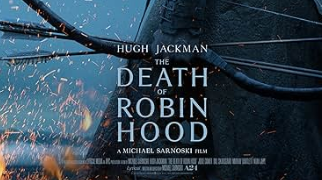
Robin Hood is one of the most enduring legends in English folklore, and Australian families will find The Death of Robin Hood arriving in cinemas on 18 June 2026. Unlike the swashbuckling, adventure-light retellings aimed at younger audiences, this production appears to be targeting a more mature crowd. The title itself signals something weightier: this is a story about an ending, not a beginning.
Parents searching for content guidance ahead of the school holidays are right to look twice. A name familiar from childhood does not automatically mean the film is child-friendly. The Robin Hood legend has been adapted across a wide spectrum, from Disney’s animated classic to the brutal 2010 Ridley Scott version. Where this 2026 film lands on that spectrum matters a great deal if you are planning a family outing.
At the time of writing, the Australian Classification Board has not yet issued an official rating. The information in this guide is based on the film’s genre conventions, title, promotional materials available pre-release, and the typical content patterns of similar historical action dramas. We will keep this guide updated as official ratings become available.
What Parents Should Know: Content Breakdown
Here is a factual look at the content categories most relevant to parents and caregivers. Because the film has not yet received its official Australian classification, these assessments are informed by genre norms and cautious reasoning rather than confirmed scene-by-scene detail.
Likely moderate to strong medieval combat, sword fights, arrows, and battle sequences. The title implies a death-focused narrative, so expect on-screen depictions of injury and dying.
Central to the story. Themes of mortality, loss of a hero, and end-of-life are expected to be prominent and emotionally heavy.
Likely mild to moderate. Historical dramas in this genre typically include some coarse language, though explicit profanity is uncertain at this stage.
Not expected to be significant based on genre. Possible brief romantic elements consistent with the legend (e.g., Maid Marian). Unlikely to be graphic.
Likely yes. Betrayal, persecution, siege scenes, and the emotional weight of a hero’s death could distress younger or more sensitive viewers.
Justice, loyalty, betrayal, sacrifice, mortality, political oppression, and the cost of fighting for a cause.
Not Yet Rated (as of this guide’s publication). Check the Australian Classification Board website for updates closer to release.
| Category | Detail |
|---|---|
| Violence | Likely moderate to strong medieval combat, sword fights, arrows, and battle sequences. The title implies a death-focused narrative, so expect on-screen depictions of injury and dying. |
| Death & Grief | Central to the story. Themes of mortality, loss of a hero, and end-of-life are expected to be prominent and emotionally heavy. |
| Language | Likely mild to moderate. Historical dramas in this genre typically include some coarse language, though explicit profanity is uncertain at this stage. |
| Sexual Content | Not expected to be significant based on genre. Possible brief romantic elements consistent with the legend (e.g., Maid Marian). Unlikely to be graphic. |
| Scary / Intense Scenes | Likely yes. Betrayal, persecution, siege scenes, and the emotional weight of a hero’s death could distress younger or more sensitive viewers. |
| Themes | Justice, loyalty, betrayal, sacrifice, mortality, political oppression, and the cost of fighting for a cause. |
| Australian Classification | Not Yet Rated (as of this guide’s publication). Check the Australian Classification Board website for updates closer to release. |
Australia’s Classification Board rates films on a scale from G through to R18+ and X18+. For the most current and confirmed rating on The Death of Robin Hood, visit the Australian Classification Board website directly. Ratings are usually confirmed within weeks of release.
Age-by-Age Suitability Guide
Every child is different. These guidelines are starting points, not rules. You know your child best.
Not Appropriate
Young children who associate Robin Hood with the cheerful Disney fox or light-hearted adventure stories will likely find this film jarring and upsetting. Combat violence, themes of death and betrayal, and the serious tone make it unsuitable for this age group. There are much better ways to introduce the Robin Hood legend to little ones.
Not Appropriate
Children in this range are often curious about action and adventure, but the subject matter here goes beyond typical kid-friendly fare. The prospect of watching a beloved hero die, combined with battle sequences and themes of injustice, is likely too heavy for most 8 to 10 year olds. We recommend waiting a few more years.
With Caution
Mature tweens who already enjoy historical fiction or adventure stories may handle this film, but parental co-viewing is strongly advised. Be ready to pause and talk through scenes. The death of a heroic figure can raise real questions about fairness, mortality, and why good people suffer. These are valuable conversations, but they need a trusted adult present.
With Caution
This is likely the intended sweet spot for younger audience members. Teens in this range can generally process themes of death, sacrifice, and injustice within a fictional context. Some may find the violence intense or the emotional weight heavy, particularly if they are currently dealing with grief or loss. A brief check-in before the film is a good idea.
Appropriate
Older teenagers and adults are well-suited to this type of historical action drama. The film’s deeper themes are likely to spark meaningful discussion around legacy, courage, and the cost of standing up against power. This is exactly the kind of story that resonates at this age.
The Themes Behind the Legend: Talking Points for Parents
One of the most valuable things a film like this can do is open doors for real conversation. The Robin Hood legend is rich with ideas that are genuinely worth discussing with your children, whatever their age.
- Social justice: Robin Hood’s core mission is about standing up for the poor against corrupt authority. This is a fantastic starting point for age-appropriate discussions about fairness, community, and how we respond to injustice.
- Mortality and legacy: The death of a beloved figure raises the question of what we leave behind. This can be approached gently with older children, especially those who may have experienced loss themselves.
- Betrayal and loyalty: Historical dramas frequently hinge on characters making difficult choices. Discussing why characters betray each other, or stay loyal despite danger, builds emotional intelligence.
- The cost of fighting for a cause: Robin Hood sacrifices enormously for his beliefs. Older teens can engage with the complexity of whether that sacrifice was worth it, and what it means for how we live our own lives.
For additional guidance on how to support children processing difficult themes in films, the team at Raising Children Network (Australia’s trusted parenting resource) offers practical, evidence-based advice on media and emotional development.
If your child is particularly sensitive to stories involving the death of a hero or mentor figure, consider reading about the Robin Hood legend together before seeing the film. Familiarity with the story can reduce anxiety and make the viewing experience feel safer. Libraries and school resources are great starting points.
Practical Steps Before Heading to the Cinema
A little preparation goes a long way. Here is a simple checklist to help you decide whether this film is right for your family right now.
- Check the official Australian Classification Board rating once it is published. The confirmed rating will include consumer advice notes that detail exactly what types of content appear in the film.
- Read two or three trusted parent reviews after the film releases on 18 June 2026. Sites like Common Sense Media publish detailed, parent-focused content breakdowns within days of release.
- Have a brief conversation with your child about the topic. Do they know who Robin Hood is? How do they feel about stories where heroes die? Their reaction will tell you a lot.
- If co-viewing, plan to stay for the full film rather than dropping off. Historical dramas often build in intensity, and having a parent present for the final act matters.
- After the film, leave space for conversation. Do not rush out of the cinema. Ask open questions: What did they think? Was there anything that surprised them? How did the ending make them feel?
If your family has recently experienced a bereavement, the central theme of this film (the death of a heroic, beloved figure) may feel very close to home. It is perfectly reasonable to wait until your household is in a more settled emotional place before choosing this one for family viewing.
Common Misconceptions Parents Should Avoid
A few assumptions tend to trip parents up when it comes to films like this one. Here are the most common ones.
“It’s Robin Hood, so it must be for kids.” Not necessarily. The character has appeared in everything from G-rated animations to very adult retellings. The title alone should prompt you to investigate further before assuming it is suitable for your young child.
“My child has seen action films before, so this will be fine.” Action is one thing. A story built around the death of a beloved legend carries emotional weight that goes beyond typical action. Emotional intensity can affect children differently than physical action sequences.
“If they seem fine during the film, they are fine.” Children sometimes process difficult content hours or days later. Nightmares, withdrawal, or sudden questions about death or fairness can surface after the fact. This does not mean you made a wrong decision. It just means staying present and available in the days after viewing.
“Historical settings make violence less impactful.” Research suggests children do not necessarily experience period violence as less distressing than contemporary violence. Swords, arrows, and siege warfare can be just as upsetting as modern weapons for younger viewers.
Related Guides on parentguiding.com
If you found this guide helpful, you may also want to read our parent guides to other historical and action-oriented films that have raised similar content questions for Australian families. We cover age ratings, content breakdowns, and discussion guides for a wide range of releases to help you make confident decisions without the guesswork.
Films in the action-adventure and historical drama space often share similar content patterns. Our guides on medieval and fantasy-genre films explore themes of violence, death, and moral complexity in comparable stories, and they include the same age-by-age breakdowns you have seen here.
When to Seek Extra Support
Most children will watch a film like this and process it in healthy ways with parental support. But there are situations where a little extra help is worthwhile.
If your child becomes preoccupied with death or dying following the film, asks repeated and anxious questions about whether people they love might die, or shows signs of distress (disrupted sleep, tearfulness, withdrawal) that last more than a week, it is worth speaking with your GP or a school counsellor. This is not an overreaction. Sometimes a film can tap into anxieties a child was already carrying, and that deserves gentle, professional attention.
The Beyond Blue website has specific resources for supporting children’s mental health and wellbeing in Australia, including guidance for parents navigating conversations about death and grief with young people.
Discussion Questions to Use After the Film
Good films are conversation starters. These questions are designed to help you engage your child or teen in a meaningful way without putting them on the spot.
- What did you think about the way the story ended? Did it feel fair?
- Why do you think Robin Hood kept fighting even when things became so difficult?
- Was there a character whose choices you found hard to understand? What do you think was going through their mind?
- Do you think it matters what we do in life, even if it does not last forever?
- If you were part of the Merry Men, what would you have done differently?
- How did the film make you feel? Was there a moment that stayed with you?
Frequently Asked Questions
As of this guide’s publication, the Australian Classification Board has not yet issued an official rating for the film. It is due for release in Australia on 18 June 2026. We recommend checking the Classification Board’s website directly as the release date approaches for confirmed consumer advice.
For most 10 year olds, this film is likely too heavy in its themes of death, battle violence, and betrayal. Mature or older 10 year olds who enjoy historical stories may manage with a parent present, but we advise caution and recommend checking the confirmed classification before deciding.
Based on the genre and narrative focus, moderate to significant combat violence is expected, including medieval weaponry and battle scenes. Specific details will become clearer once official ratings and parental reviews are published closer to the release date.
Almost certainly not. The Disney 1973 animated film is rated G and is designed for young children. This 2026 production appears to be a serious, adult-leaning historical drama. The shared character name is about the only similarity you should expect.
Start by normalising their feelings. It is okay to feel sad, confused, or even angry when a beloved character dies. Remind them that stories about death often carry important messages about how to live. Ask open questions rather than providing all the answers, and follow their lead in how deep the conversation goes.
Common Sense Media is one of the most reliable parent-focused review sites for film content. The Australian Classification Board website will also publish consumer advice notes once the film is rated. You can also check back on parentguiding.com for an updated review after the film releases.

I am a journalist with 4+ years of experience, specializing in family-friendly film reviews.