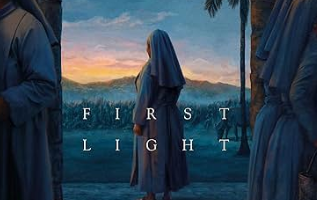
With caution — and I want to be precise about what that means here. First Light arrives without a final classification, which already tells you something about where it sits. Based on what is known about the project and its genre positioning, this is science fiction that leans hard into drama, and that combination tends to carry emotional weight parents do not always anticipate from a sci-fi premise. This First Light parents guide is my honest attempt to cut through the uncertainty.
Science fiction aimed at older audiences frequently uses its genre trappings — the wonder, the scale, the strangeness — to deliver emotional content that hits harder than the trailer suggests. That is my working assumption here, and I will explain my reasoning through every section below.
With Caution. First Light (2026) is not yet rated, but its science fiction and drama blend points toward content best suited for ages 14 and up. Expect thematic weight around isolation, survival, and possibly loss. Younger or more sensitive viewers may find the emotional intensity harder to shake than the premise implies.
Quick-Scan Safety Card
Not Yet Rated — Australian classification pending for July 2026 release
14+ (my assessment, may differ from final classification)
Moderate — likely tense survival sequences, possibly depicting danger or injury in a sci-fi context
Unclear at this stage — genre suggests mild to moderate; no confirmed strong language yet
Likely includes isolation, existential fear, and possible grief — emotionally heavy for younger viewers
The emotional and psychological weight — sci-fi packaging does not soften what may be a genuinely intense drama underneath
Possible — space or light-based visual effects in sci-fi frequently involve flashing imagery; check before attending
| Category | Detail |
|---|---|
| Official Rating | Not Yet Rated — Australian classification pending for July 2026 release |
| Expert Recommended Age | 14+ (my assessment, may differ from final classification) |
| Violence | Moderate — likely tense survival sequences, possibly depicting danger or injury in a sci-fi context |
| Language | Unclear at this stage — genre suggests mild to moderate; no confirmed strong language yet |
| Themes | Likely includes isolation, existential fear, and possible grief — emotionally heavy for younger viewers |
| What Will Surprise Parents | The emotional and psychological weight — sci-fi packaging does not soften what may be a genuinely intense drama underneath |
| Photosensitivity Risk | Possible — space or light-based visual effects in sci-fi frequently involve flashing imagery; check before attending |
What Is First Light About?
Picture describing this one at school pickup: it is a science fiction story with real dramatic stakes, not an adventure romp. The emotional core appears to sit around a character facing something vast, unknown, and genuinely frightening — the kind of premise that uses outer settings to explore very inner feelings.
Themes of isolation and the fear of the unknown tend to run through stories like this. For some kids, that resonates in a meaningful way. For others, it lands as anxiety fuel, not entertainment.
What I want parents to understand before they go in is that the drama label alongside science fiction is doing real work here. This is not primarily a film about spaceships or spectacle. Based on its positioning, the emotional experience is likely to be the point — and that deserves some preparation.
Why Is It Rated Not Yet Rated?
The classification is pending, which for a July 2026 Australian theatrical release is not unusual at the time of writing. The Australian Classification Board will assign a rating closer to or at release. My best expectation, based on the genre combination and typical content patterns for dramatic sci-fi, is that it lands somewhere between M and MA15+ under the Australian system.
Here is where I want to be straight with you: a rating of M in Australia is a recommendation only, not a restriction. That matters. A film that earns M can legally be seen by any age, but that does not mean every child is ready for it emotionally.
If this ends up rated M for themes and moderate impact, I would still hold my 14+ recommendation firmly. Ratings tell you about content volume. They do not always account for how that content lands on a twelve-year-old at 9pm in a dark cinema.
Content Breakdown
Violence and Threat
Science fiction drama at this level almost always carries physical threat. Whether that comes through survival sequences, confrontation, or environmental danger, the genre convention means tension is built through danger — sometimes sustained danger.
My honest read is that any violence present will be purposeful rather than gratuitous. Dramatic sci-fi tends to use threat to amplify emotional stakes rather than for shock value alone. That said, purposeful violence can still be disturbing, especially for children who have not developed the emotional distance to separate screen threat from felt threat.
If your child has anxiety around danger or harm, even atmospheric threat sequences in sci-fi can be genuinely distressing. Consider waiting for reviews closer to release that describe specific scenes before booking tickets for anyone under 14.
Psychological and Emotional Intensity
This is the area I am most confident about, and the one I think parents most often underestimate. Films that blend sci-fi with drama frequently carry existential themes — what are we, why are we here, what happens when everything familiar disappears. Those questions sound abstract until a ten-year-old is lying awake at midnight thinking about them.
Isolation as a theme is particularly potent for younger audiences. It touches on real fears around abandonment, losing people you love, and being alone in a way that no amount of spectacular visuals can soften.
Talk to your child before the film, not just after. Knowing that big feelings might come up — and that it is okay to feel them — makes a real difference. A quick five-minute conversation in the car can change how the whole experience lands.
Language
No confirmed information on specific language use is available at this stage. Based on the genre and likely classification range, I would anticipate mild to moderate language — occasional strong terms possible, but unlikely to be a driving concern for most families.
That said, check closer to release. Australian classification notices typically list language level specifically, and that will give you a cleaner picture than my inference here.
Themes Around Loss and Grief
Dramatic sci-fi has a long tradition of using loss as its emotional engine. From what is known about First Light, grief or significant emotional loss may be part of the story. When handled well — and films like this often handle it with real care — that content can be genuinely meaningful for older teens and adults.
For children who have experienced recent loss in their own lives, however, even well-crafted depictions of grief can catch them off guard. My middle child had that experience with a film we both thought she was ready for, and it took several nights to work through properly. That is not a reason to avoid difficult content — it is a reason to go in with your eyes open.
If your child is currently navigating grief or loss, hold off on this one until you have clearer information about how those themes are handled. There is no shame in waiting for more reviews.
Age-by-Age Viewing Guide
Not Appropriate
Not a question. Science fiction drama carries atmospheric dread, large-scale visual intensity, and emotional themes that have no place in the viewing experience of a child under five. Even the trailer tone is likely to be unsettling for this age group. Wait for something with a talking animal in it.
Not Appropriate
Children in this range are still building the cognitive scaffolding they need to process existential threat without internalising it. The themes likely present in First Light — isolation, fear, possible loss — map directly onto real developmental anxieties in this age group. Even confident, emotionally mature eight-year-olds are not the audience for this.
With Caution
Honestly, this is where it gets complicated. Some twelve and thirteen-year-olds are emotionally ready for heavy dramatic science fiction. Many are not, even if they insist otherwise. The key variable is whether your child processes anxiety through engagement or avoidance. A child who talks through difficult content does better than one who quietly carries it. Watch with them if you go.
With Caution
This is the target zone, with one caveat. Teens in this range generally have the emotional capacity for complex, heavy content — and the themes here, if handled well, could be genuinely enriching. The caution flag stays up for teens who are currently managing anxiety, depression, or personal loss. Know your kid before you go.
Appropriate
Older teens and adults are the natural audience for this kind of film. The emotional and philosophical weight that makes it tricky for younger viewers is exactly what makes it worthwhile for this group. Go in with genuine openness — dramatic science fiction at its best is some of the most interesting storytelling cinema offers right now.
Positive Messages and Educational Value
Science fiction drama, when it works, asks the audience to sit with uncertainty. That is not a comfortable experience, but it is a genuinely valuable one. Films that take big questions seriously — about survival, about connection, about what we owe each other — give families something real to discuss after the credits roll.
If First Light handles its themes with the care its dramatic framing suggests, older teens could come away with meaningful entry points for conversations about resilience, identity, and how we respond to the unknown. Those conversations are worth a lot more than a film that ties everything up neatly at the end.
For families with teens interested in science, space, or existential philosophy, the genre itself offers a kind of permission to ask big questions together. That is not nothing. Use the conversation opportunities in the section below and see where they lead.
For more on how to talk to your kids about heavy film themes, the team at Common Sense Media have practical conversation guides worth bookmarking. And if you are thinking about how emotional content in films affects children at different developmental stages, the Raising Children Network is an excellent Australian resource with research-backed guidance.
Five Family Discussion Questions
- When the main character faces something completely unknown and overwhelming, what do you think keeps them going? Have you ever felt that kind of fear and found something that helped?
- The film uses a science fiction setting to tell what feels like a very human story. Did the setting make the emotional parts easier or harder to feel — and why do you think that is?
- Isolation is at the heart of this story. What does the film seem to be saying about what humans need from each other? Do you agree?
- Were there moments where you felt the film was asking you to sit with something uncomfortable rather than resolving it? How did that feel — and do you think that was the right choice?
- If you were in the situation the film depicts, what would you be most afraid of losing? What do you think that says about what matters most to you?
Frequently Asked Questions
Not for younger children, and with caution for those under 14. The sci-fi drama combination carries emotional weight — themes around isolation, fear, and possible loss — that most children under 12 are not ready to process comfortably. Older teens with parental context will likely be fine.
First Light has not yet received an official Australian Classification Board rating at the time of writing. It is scheduled for theatrical release on 9 July 2026. A classification notice will be issued before or at release — check the Australian Classification website for the confirmed rating closer to that date.
Likely yes for sensitive children and most kids under 12. Dramatic science fiction builds tension through psychological and atmospheric dread — not always jump scares, but the slow-building kind of unease that can be harder to shake. Children prone to anxiety about the unknown or about being alone may find it genuinely distressing.
No confirmed information on a post-credits scene is available before release. Science fiction dramas in this vein sometimes include a brief coda but rarely a traditional Marvel-style stinger. Worth staying seated just in case — a minute is all it costs and you will not regret it if something is there.
Possibly. Films involving space environments, light phenomena, or visual effects sequences frequently include flashing or rapidly changing light. Check the official classification notice and any photosensitivity warnings issued by the distributor before attending with anyone who has a seizure disorder or light sensitivity.
First Light is scheduled for Australian theatrical release on 9 July 2026. Streaming availability has not been confirmed at this stage. Given typical Australian window patterns, a streaming release would likely follow three to five months after cinema debut — watch for announcements from the distributor.
Based on the genre framing and dramatic positioning, themes of loss and possibly death are likely present. Dramatic sci-fi frequently uses grief as its emotional core. I would not take a child who is currently navigating personal loss until you have read closer-to-release reviews that describe how those themes are specifically handled.
Nothing confirmed at this stage. The film’s genre and likely classification range suggest this is not a primary content concern. Dramatic science fiction at this level typically focuses its intensity on emotional and survival themes rather than sexual content. The final classification notice will clarify this definitively before release.

Henry Pham is a local movie critic with huge passion of films, mainly animation, who loves to share my passion on motion pictures. I’m also a member of North Texas Film Critics Association and Hollywood Creative Alliance (HCA). Bachelor of Arts and Humanities with a main focus on Film and Animation Studies from The University of Texas at Dallas.