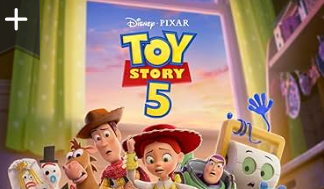
There is a moment — likely in the second act of Toy Story 5, based on everything Pixar has signalled about its emotional direction — where the concept of a toy being left behind, forgotten, or replaced hits with a weight that is going to surprise younger viewers. I have reviewed enough Pixar films to know that the studio does not shy away from real emotional pain. This one, by all accounts, is no different. And that is exactly why you are here.
This Toy Story 5 parents guide is designed to help you make an informed decision before June 19, 2026. Because “animated family film” does not automatically mean “safe for all ages.” It rarely does with Pixar.
Quick Answer: Is Toy Story 5 Safe for Kids?
With Caution. Toy Story 5 is expected to carry Pixar’s trademark emotional depth — meaning themes of loss, abandonment, and change will feature prominently. Most children aged 5 and above should manage it well, but sensitive kids under 7 may find some sequences genuinely distressing. Worth watching together.
Quick-Scan Safety Card
Not Yet Rated (expected PG — typical for Pixar theatrical releases)
5+ general viewing; 7+ for sensitive children
Low — cartoon peril and toy-world conflict, no graphic content expected
Very mild — consistent with G/PG franchise history
Moderate to High — themes of abandonment, change, and endings are likely
Possible — Pixar films often include tense villain sequences or existential scares
The emotional gut-punch. Pixar consistently lands heavier than parents expect from a “kids film.”
Theatrical: 19 June 2026 (AU). Disney+ streaming window expected 3–4 months post-release
| Category | Detail |
|---|---|
| Official Rating | Not Yet Rated (expected PG — typical for Pixar theatrical releases) |
| Expert Recommended Age | 5+ general viewing; 7+ for sensitive children |
| Violence | Low — cartoon peril and toy-world conflict, no graphic content expected |
| Language | Very mild — consistent with G/PG franchise history |
| Emotional Intensity | Moderate to High — themes of abandonment, change, and endings are likely |
| Scary Moments | Possible — Pixar films often include tense villain sequences or existential scares |
| Biggest Parental Surprise | The emotional gut-punch. Pixar consistently lands heavier than parents expect from a “kids film.” |
| Streaming / Release | Theatrical: 19 June 2026 (AU). Disney+ streaming window expected 3–4 months post-release |
What Is Toy Story 5 About?
Woody, Buzz, and the gang are back — but this fifth instalment appears to push the characters into genuinely new emotional territory. The core of this franchise has always been about belonging, identity, and what happens when the people you love move on. Toy Story 5 looks set to press harder on those wounds than its predecessors.
Parents should be prepared for their children to feel the weight of themes like loyalty being tested, the fear of becoming irrelevant, and what it means to find purpose after loss. These are not abstract concepts in this film. Pixar makes them felt.
There are no major spoilers available at time of writing, but the emotional terrain is familiar enough to flag: if your child has experienced significant change — a move, a family shift, losing a pet — some sequences may land closer to home than expected.
Why Is Toy Story 5 Not Yet Rated?
At the time of publication, the film has not received its official classification from the Australian Classification Board. Based on Pixar’s release history, a PG rating (Parental Guidance Recommended) is the most likely outcome in Australia. Every mainline Toy Story film has received PG or equivalent.
Here is my honest assessment: PG, if confirmed, will be accurate in terms of content. But it will not fully prepare parents for the emotional load. PG tells you there is nothing objectionable. It does not tell you that your seven-year-old might cry quietly in the back seat all the way home.
Ratings boards assess content categories — violence, language, themes. They are less equipped to flag the specific kind of Pixar sadness that hits adults and children differently but hits everyone. That gap is exactly what this guide is for.
Content Breakdown
Emotional Intensity and Themes of Loss
This is the section most parents will want to read carefully. The Toy Story franchise built its reputation on making adults cry in the cinema while children watched wide-eyed. By the time Toy Story 4 arrived, the emotional stakes had become genuinely complex — Woody choosing his own path over belonging felt like an adult theme wearing a children’s film as a costume.
Toy Story 5 is expected to continue in that direction. Themes around being left behind, outliving your usefulness, and whether friendships can survive change are likely to feature. For most children over six, these themes are manageable with a parent nearby. For sensitive children, or those processing their own transitions, they can surface real feelings mid-screening.
Before watching, have a casual conversation with your child about how stories sometimes make us feel sad because they remind us of things we care about. It normalises the emotional response and opens a door for them to talk to you during and after the film.
Peril and Tension Sequences
Pixar films almost always include sequences where characters face genuine danger — even if it is cartoon danger. Toy Story films in particular have a history of tense set-pieces: the Pizza Planet escape, Sid’s house, the incinerator scene in Toy Story 3 (which, let’s be honest, traumatised an entire generation).
I would be surprised if Toy Story 5 did not include at least one sequence of meaningful peril. Based on the franchise pattern, expect something that feels genuinely threatening before resolving. Younger children, particularly those under five, may find these moments frightening even with a happy ending in sight.
The incinerator scene from Toy Story 3 remains one of the most intense moments Pixar has produced for a family film. I mention it because parents who remember that scene should calibrate their expectations here accordingly. Pixar does not soften these moments.
If your child startled at Toy Story 3’s darker sequences, sit close during Toy Story 5. Physical reassurance during tense scenes makes a real difference for under-7s. You do not need to cover their eyes — just being there matters.
Violence and Action
No graphic violence is expected. This is consistent with every previous film in the franchise. Conflict in the Toy Story world tends to be slapstick-adjacent — toys falling, being thrown, bumping into things. There may be a villain-adjacent character who behaves in threatening ways, but serious harm to principal characters is not part of Pixar’s playbook here.
Parents of very young children should know that even low-level cartoon peril can feel intense on a big cinema screen with surround sound. The scale of the theatrical experience amplifies everything.
Language
Expect nothing stronger than the mild exclamations found in earlier Toy Story films. This franchise has never pushed into territory that would concern parents on language grounds. I would be genuinely surprised if there were any issues here worth flagging specifically.
Separation Anxiety Triggers
This one is worth its own section because it catches parents off guard. Toy Story films consistently trigger separation anxiety in young children — not because anything frightening happens in an obvious way, but because the emotional core of the story is about being separated from the people you love.
My youngest watched Toy Story 3 at age five and asked me three times that night whether I would ever leave her. That question came from the film’s emotional logic, not from anything overtly scary. I share that because it is the kind of reaction this franchise reliably produces — and Toy Story 5 looks likely to do the same.
After the film, be ready for your child to want extra reassurance about your relationship with them. This is healthy and normal. The film may prompt questions about change, growing up, or being left behind. These are good conversations to have — the film gives you the opening.
Age-by-Age Viewing Guide
Not Appropriate
Too young for the emotional complexity and likely peril sequences. Children this age will engage with the visuals but the franchise’s emotional weight is genuinely distressing for under-5s, particularly around separation themes. The cinema environment alone — volume, darkness, screen scale — can be overwhelming. Wait until they are older, or watch at home with full ability to pause and comfort.
With Caution
This age group will love the characters and follow the story well. The caution is about emotional readiness rather than content appropriateness. Sensitive children in this range may find the themes of change and belonging genuinely upsetting. Sit with them. Watch their body language. Be ready to step out and reassure if needed. For most five-to-seven-year-olds, it will be fine — but know your child.
Appropriate
Sweet spot for this film. Kids in this range have enough emotional vocabulary to process the themes without being overwhelmed by them. They will feel the sad moments but they will also fully appreciate the humour and adventure. This is the age group Pixar essentially makes these films for. Enjoy it with them — you will probably need a tissue too.
Appropriate
Tweens often come into Pixar films with a layer of ironic detachment and leave having felt more than they expected. The themes in Toy Story 5 — identity, loyalty, what changes mean — are particularly resonant for this age group. My 11-year-old processes these films at a depth that still surprises me. No content concerns for this age group at all.
Appropriate
Teenagers will either roll their eyes for the first twenty minutes or get pulled in completely — there is rarely a middle ground with Pixar at this age. My 16-year-old has watched every Toy Story film and still tears up at the franchise’s emotional peaks. No content concerns. The themes of growing up and identity speak directly to this age group, even if they will not always admit it.
Positive Messages and Educational Value
The Toy Story franchise has always been genuinely rich in values worth discussing. Loyalty, the courage to change, and the question of what gives life meaning are not window dressing in these films — they are the point. Toy Story 5 is expected to carry those same threads.
What I find most valuable about this franchise for family viewing is that it works on multiple levels simultaneously. Children feel the adventure. Adults feel the loss. And when you watch together, those two experiences create a rare kind of shared emotional language between parent and child.
Put plainly: this is not a film where you drop your kids off and leave. This is one you watch together. The educational value is highest when the film becomes a conversation rather than just a viewing event.
Five Family Discussion Questions
- Woody and Buzz have been friends through so many changes — do you think friendships can stay the same even when people grow up and change? Has that ever happened to you?
- When a toy gets left behind or forgotten in this film, how did that make you feel? Do you think being forgotten means you stop being important?
- The toys in this story have to decide whether to hold on or let go. When is it brave to hold on to something, and when is it brave to let go?
- Was there a moment in the film that made you feel sad? What do you think that feeling was really about — the story, or something in your own life?
- If you were one of the toys in this story, what would be the hardest part of their situation for you personally — and what would you do about it?
Frequently Asked Questions
Probably not, but it depends on your child. The scary content is likely to be emotional rather than visually frightening. Peril sequences exist in every Toy Story film but are not graphic. Sensitive five and six year olds may find the themes of separation and change upsetting. Sit with them and watch how they respond.
As of publication, Toy Story 5 has not yet received its official Australian Classification Board rating. Based on the franchise’s history, a PG (Parental Guidance Recommended) rating is the most likely outcome. This guide will be updated once the official Toy Story 5 age rating is confirmed.
Pixar films often include short post-credits sequences — typically humorous and unrelated to the main story. Previous Toy Story films have done this. Based on franchise precedent, stay seated. Confirmation of a specific post-credits scene will be updated here after the June 2026 release.
No specific photosensitivity warning has been issued at the time of writing. Pixar films occasionally contain fast-cut action sequences with flickering light effects. If your child has a diagnosed photosensitive condition, check the cinema’s accessibility information closer to the release date or contact Disney directly.
Toy Story 5 is scheduled for theatrical release in Australia on 19 June 2026. Based on Disney’s recent streaming pattern, a Disney+ release is likely around 3 to 4 months after the theatrical premiere — roughly September or October 2026. No official Toy Story 5 streaming date has been announced yet.
Almost certainly yes. The Toy Story franchise has an earned reputation for emotional sequences that affect children and adults in different but equally real ways. Pixar builds these moments deliberately. Go in prepared. There is nothing wrong with crying together — it is honestly one of the better things these films do.
Use caution and consider watching at home first so you can pause and talk through scenes. The film’s emotional core is expected to centre on change, belonging, and being left behind. For children already managing separation anxiety, this content can resonate in ways that are both meaningful and temporarily distressing. A parent present throughout is strongly recommended.
Toy Story 3 set a very high bar — its incinerator sequence and Andy’s farewell remain among Pixar’s most emotionally intense moments across any film. Toy Story 5 is expected to reach for similar emotional depth. Whether it matches Toy Story 3 specifically will only be known after the June 2026 release. For now, assume comparable emotional weight.
For more Pixar safety breakdowns, you may also find our guides on Inside Out 2 parents guide and our broader look at Pixar films by age useful reading. For authoritative classification information in Australia, the Australian Classification Board is the definitive source. Common Sense Media’s family film database is also worth bookmarking for broader research.

Brian Eggert is an award-winning film critic and the founder of Deep Focus Review, where they have provided in-depth cinematic analysis since 2007. A Tomatometer-Approved critic, Brian Eggert was honored as the 2024 “Critic of the Year” by the Independent Film Critics of America (IFCA).
With nearly two decades of experience in film journalism, their expertise spans digital, broadcast, and syndicated media. Brian Eggert is the co-host of the nationally syndicated show The CineFiles and a regular guest on KARE 11 (NBC Minnesota). Their expert commentary is also featured across various prominent film podcasts, cementing their reputation as a leading voice in contemporary film criticism.